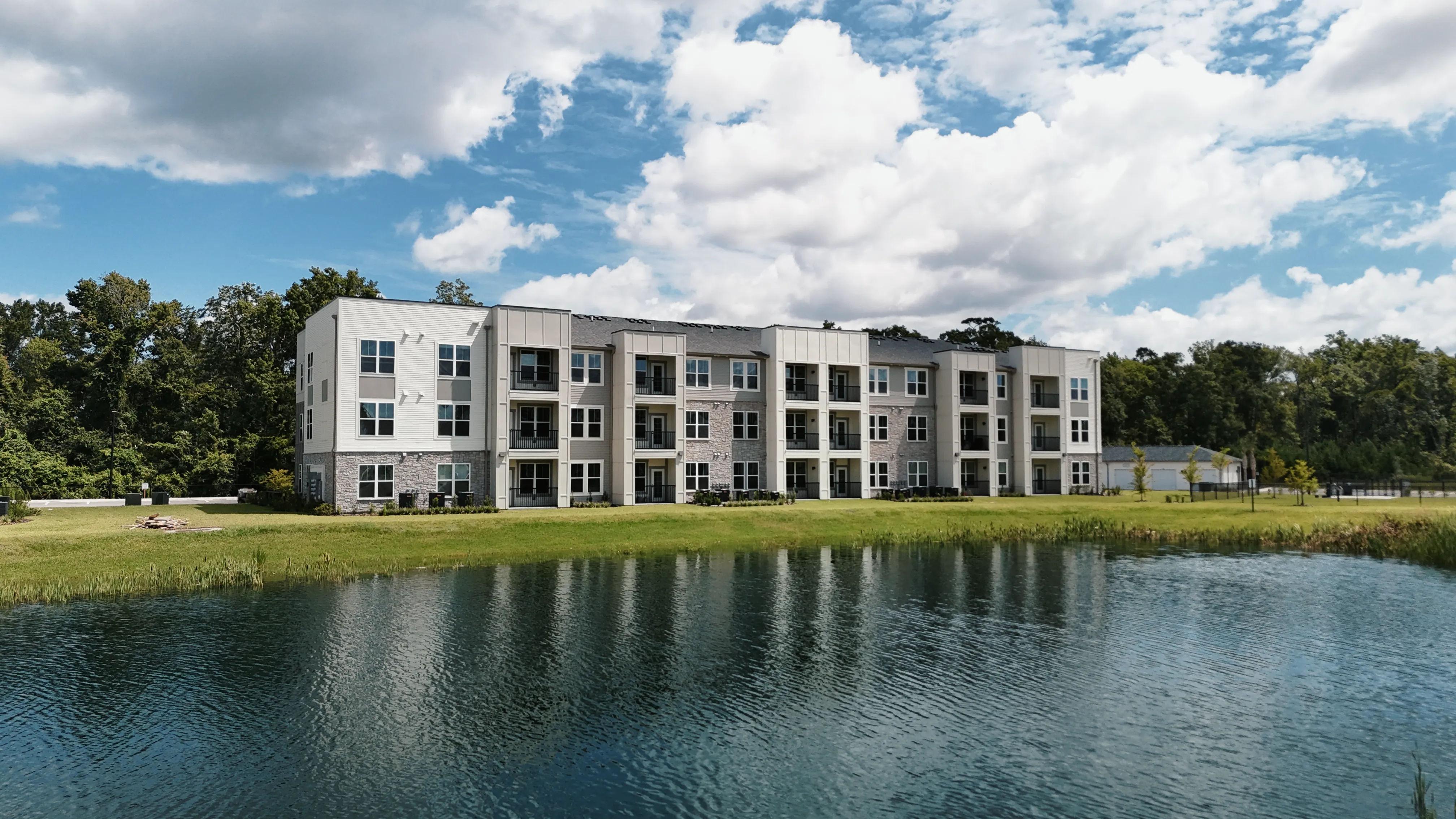

A home’s exterior is a crucial layer of protection and performance.
Among today’s modern construction solutions, energy-efficient siding has become one of the most effective ways to enhance both comfort and long-term property value.
By improving insulation, reducing energy loss, and minimizing maintenance needs, siding helps homeowners achieve a better-performing, more sustainable home.
Whether you’re building new or renovating, choosing the right siding can make a measurable difference in your energy bills and your home’s market appeal.

What is siding?
Siding is the protective outer layer installed on a building’s exterior walls.
It serves both functional and aesthetic purposes: shielding the structure from weather, moisture, and temperature fluctuations while defining the overall look of the home.
Common types of siding
Vinyl siding: lightweight, affordable, and available in many colors and textures.
Fiber cement siding: extremely durable, resistant to fire, insects, and rot.
Wood siding: natural and timeless, but requires more maintenance.
Metal siding: modern and long-lasting, suitable for both homes and commercial buildings.
Engineered wood siding: offers the beauty of real wood with added strength and stability.
Purpose of modern siding
Modern siding is not merely decorative, it’s a critical part of a building’s energy strategy.
It enhances a home’s thermal insulation, reduces air leaks, and improves overall comfort.
In addition, the variety of colors and finishes allows homeowners to create a personalized appearance that reflects their style while supporting sustainability and energy efficiency.

Advantages of siding
Siding delivers multiple advantages that combine form and function.
Its ability to protect, insulate, and beautify makes it a cornerstone of modern construction, also an essential upgrade for energy-conscious homeowners.
Protection and durability
High-quality siding is designed to withstand years of exposure to the elements.
It resists moisture, wind, and UV radiation, protecting the building’s structure from premature deterioration.
Advanced materials like fiber cement and engineered wood also resist rot, termites, and cracking, ensuring long-term stability and fewer repairs.
Energy efficiency
When properly installed, siding contributes to a home’s insulation system, helping to reduce heat transfer through the walls.
Insulated siding, for instance, can act as an additional thermal layer, keeping interiors warmer during winter and cooler in summer.
This helps lower energy bills and reduces dependence on HVAC systems.
Low maintenance
One of siding’s greatest advantages is its low-maintenance nature.
Most siding materials are designed to retain color and texture for decades with minimal upkeep.
Occasional cleaning is usually enough to maintain its fresh appearance, allowing homeowners to enjoy peace of mind instead of constant repainting.
Curb appeal and value
Beyond its technical performance, siding greatly enhances curb appeal.
Whether you prefer a traditional or contemporary look, siding can transform the aesthetic of any property.
This visual impact also adds measurable financial value, as exterior upgrades consistently rank among the top home improvements for return on investment.

Siding and energy efficiency
Energy efficiency is about creating a balanced building envelope that resists unwanted heat transfer. Siding is a key component of that envelope.
A properly designed and installed siding system minimizes air leakage and serves as an external thermal barrier.
Combined with quality insulation and vapor control, it ensures consistent indoor comfort while protecting against drafts and hot or cold spots.
Also, energy programs estimate that air sealing plus added insulation can trim 15% off heating and cooling costs in typical U.S. homes, gains you can unlock when a siding project includes continuous exterior insulation and careful air-sealing details
Reducing thermal bridging
Thermal bridging occurs when heat moves through materials that are poor insulators, like wooden studs or metal framing.
Insulated siding reduces this effect by adding a continuous layer of insulation across the wall surface.
This helps maintain consistent interior temperatures and improves overall building performance.
Lowering HVAC demand
Because siding enhances insulation and reduces temperature fluctuations, it lowers the load on heating and cooling equipment.
This not only decreases monthly energy costs but also extends the life of HVAC systems by minimizing usage stress.
Over time, that means significant savings and less environmental impact.
Insulation, weather barriers, and performance
To achieve the best energy performance, siding must work as part of a coordinated system that includes house wrap, sheathing, and insulation.
Each layer contributes to keeping energy inside and weather outside.
A correctly installed weather barrier prevents moisture intrusion while allowing vapor to escape, which helps avoid mold growth and maintains structural health.
When paired with insulated siding, this combination creates a wall system that performs efficiently year-round, regardless of climate.
Continuous insulation benefits
Insulated siding extends thermal protection across the entire exterior surface.
Unlike traditional wall cavities that may leave gaps or bridges, this “continuous insulation” eliminates weak points, improving energy conservation by up to 20% compared to non-insulated assemblies.
Moisture and air control
A quality siding system also regulates airflow and moisture movement, reducing the risk of condensation.
This balance is vital to maintaining comfortable humidity levels indoors while preventing hidden damage within the walls.
Acoustic comfort
Another underrated benefit of siding is noise control. The extra layers of insulation and structural density help absorb sound, making homes quieter and more serene, especially in urban or high-traffic areas.

Financial benefits of energy-efficient siding
Energy-efficient siding provides immediate and long-term financial rewards.
Beyond the savings on monthly utility bills, homeowners also gain from increased property value and reduced upkeep costs.
A report from JLC shows that siding replacement projects can recoup 70% or more of their cost at resale, one of the highest ROI rates in the home improvement sector.
Reduced maintenance and replacement costs
Durable siding materials like fiber cement and engineered wood have lifespans of 30 to 50 years, requiring minimal repairs.
This longevity means fewer replacement cycles, less waste, and predictable long-term costs.
Protection against structural damage
By keeping moisture out and stabilizing temperatures, siding prevents hidden damage such as rot, mold, or foundation cracks, saving thousands of dollars in potential repairs over a building’s lifetime.

Eco-friendly siding materials and sustainable options
Sustainability in siding is no longer optional, it’s an expectation.
Environmentally conscious homeowners are now choosing products that offer both high performance and low environmental impact.
Modern manufacturers produce siding materials using recycled content, low-VOC finishes, and energy-efficient production methods.
Some fiber cement and metal sidings are even fully recyclable at the end of their life cycle, contributing to circular construction practices.
Long lifespan, lower waste
The longer a material lasts, the less often it needs to be replaced, meaning less landfill waste and fewer resource extractions.
Choosing energy-efficient siding supports green building certifications and helps homeowners align with sustainable living goals.
Renewable and responsible options
Engineered wood siding and metal cladding are excellent examples of modern, eco-friendly materials.
They combine the aesthetic appeal of natural finishes with exceptional strength and minimal environmental footprint.

Urbitek: combining performance and efficiency
At Urbitek, we understand that quality construction is defined by balance, between design and performance, innovation and durability.
Every siding project we take on is guided by this principle.
Our team helps clients select materials that meet both functional and aesthetic goals, taking into account regional climates, insulation needs, and long-term cost efficiency.
We don’t simply install siding; we deliver façades that improve comfort, efficiency, and property value, with precision and professionalism at every step.
Conclusion
In modern construction, energy-efficient siding is one of the smartest investments a homeowner can make.
It protects the structure, enhances insulation, reduces energy waste, and elevates the property’s aesthetic and market value.
With Urbitek’s expertise, every siding project is a strategic investment in efficiency, longevity, and peace of mind. Talk to our team today to discover how the right siding solution can transform your property!
 @urbitekgroup